

Preventing and Controlling Disease in Your Flock
If an infectious or contagious disease enters your flock, it can spread quickly and possibly lead to production losses or deaths in your flock. Consider the following concepts on preventing disease from entering your flock and how to control spread if your birds get sick.
5 Biosecurity Concepts To Follow

Keep outside germs away by knowing where your birds come from, limiting visitors, and keeping new birds separate until you are confident they’re healthy.

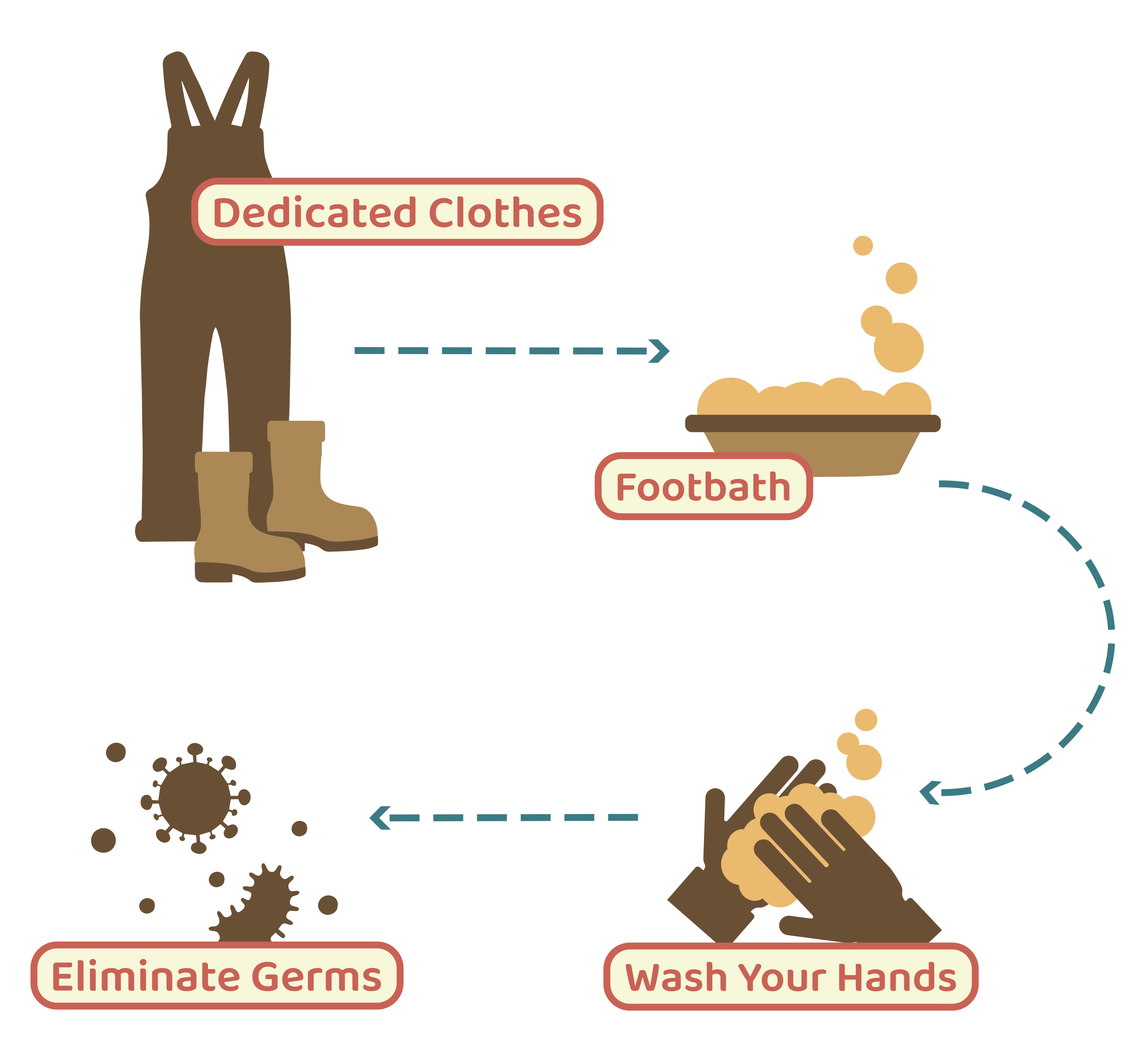
Keep germs from spreading between you and your birds by using dedicated clothing, gear, and washing your hands before and after handling the flock.

Cleanliness is key—regularly clean the coop, feeders, and waterers, and avoid sharing equipment with other flocks to minimize disease risks.

Use barriers, secure feed, and practice pest control to keep disease-carrying wildlife and rodents away from your flock.

Act fast—separate sick birds, track symptoms, and consult a vet to prevent illness from spreading through your flock.

Keep Disease Out

Find Reliable Sources
Many poultry diseases have no cure. Birds from unknown or poorly managed sources may carry these diseases without looking sick. Once introduced, they can be nearly impossible to remove from your flock.
Why? Once disease is in your flock, you can’t always treat or cure it. Choosing healthy birds from a trusted source is the best way to keep disease out from the start.

Isolate New or Returning Birds
Keep new birds or your own birds that are returning from shows or fairs isolated from your flock for three to four weeks. Watch closely for changes in behavior, appetite, droppings, or signs of illness during this time.
Why? Diseases may not show symptoms right away. Separating birds allows time to spot illness and helps to ensure only healthy birds join your flock.

Limit Visitors
Only allow essential people near your flock. If visitors do need to enter, ask them to wear clean shoes or disposable covers and wash their hands before handling birds or equipment. People who own or work with other birds should not have direct contact with your flock.
Why? Every visitor is a possible source of germs, especially if they keep birds themselves. Limiting contact, and taking precautions when visitors must enter, reduces the chance of disease reaching your flock.

Avoid Mixing Animal Types
Chickens, turkeys, ducks, and other species can spread diseases to each other. Waterfowl often carry avian influenza without showing signs. Pets and livestock like cats, dogs, goats, or pigs can carry germs on their feet, fur, or equipment and track them into poultry areas.
Why? Keeping species apart helps stop diseases from jumping between birds or being tracked into the coop by other animals.

Limit Your Contact with Other Birds
Visiting parks, shows, fairs, other people’s flocks, or hunting areas can expose you to germs that stick to your clothes, shoes, and skin. These germs can infect your birds even if the birds you visited looked healthy.
Why? Most poultry diseases spread silently at first. Waiting 24 hours, showering, and changing clothes reduces the chance of carrying germs home and protects your flock.

Dedicated Coop Shoes and Clothing
Disease-causing germs can hitch a ride on shoes and clothing worn in other places. These germs can spread easily to your flock, even if you don’t notice them.
Why? Wearing clean, coop-only shoes and clothes or using a footbath keeps outside germs from getting into your poultry area and infecting your birds. This simple step lowers the chance of unknowingly tracking in germs that could sicken your flock.
Control Access to Your Flock
Protect your birds by limiting access to their space. Use fences or gates to keep out pets, other farm animals, wild birds, and visitors who don’t need to be near the flock. Make sure footwear is clean and avoid bringing in tools or equipment that could carry germs.
Why? Keeping people, animals, and shared tools out of the coop area helps block common ways disease gets in.

All In, All Out
All in, all out means raising a group of birds of the same age and type together from start to finish. Best practice is to avoid introducing new birds to an established flock. If you do add birds, make sure they come from reliable sources and keep them isolated from your main flock for three to four weeks before introduction. This gives you time to spot signs of illness.
Why? When you avoid mixing age groups or new birds, it lowers stress and helps prevent new germs from getting in and spreading to the flock.

Protect Yourself and Others
Wear Dedicated Shoes and Clothes
Poultry can carry germs like Salmonella, E. coli, and Campylobacter that can make people sick, even if the birds seem healthy. These germs can stick to your shoes and clothes and spread to your home and family.
Why? These germs can cause serious illness, especially in children and older adults. Changing clothes and cleaning footwear after being with your birds helps stop germs from entering your home and making people sick.
Frequent Hand Washing
Wash your hands or use hand sanitizer before, during, and after working with your flock. For example, wash before feeding or collecting eggs, between handling young and older birds, and after cleaning the coop or handling manure.
Why? Washing at these times helps stop germs from spreading between birds, from the environment to birds, and from birds to people. Clean hands protect both you and your flock.

Keep it Clean
Work With Healthy Birds First
Work with healthy young birds first, then older birds, and handle sick birds last. Always wash your hands or change gloves between groups.
Why? Young birds are the most vulnerable to disease, while sick birds can shed high levels of germs. Working in order from youngest to oldest and healthy to sick, lowers the risk of carrying germs from older or sick birds to younger, healthier ones.

Always Provide Fresh Food and Water
Provide clean, fresh food and water every day. Use feeders and waterers that prevent contamination from droppings, and clean them regularly.
Why? Dirty feed and standing water can harbor germs and attract wild birds, rodents, and insects that spread disease. Refreshing food and water daily keeps your flock healthier and reduces the chance of illness.

Avoid Sharing Equipment
Do not share equipment—like buckets, feeders, waterers, shovels, egg baskets, pet carriers, or tools—with other flock owners. If you must move these items between flocks, clean and disinfect them first.
Why? Shared equipment can carry germs from other flocks. Cleaning and disinfection lower the risk, but some items such as wooden tools and porous materials cannot be disinfected effectively. Keeping equipment separate is the safest choice.


Practice Proper Cleaning and Disinfection
Clean and disinfect the coop, feeders, and waterers weekly using soap and disinfectants that are safe for poultry.

Why? Germs can build up quickly in droppings, spilled feed, and water. Regular cleaning removes these risks and helps prevent disease in your flock.
Prevent and Clean Up Feed Spills
Keep feed in a sealed waterproof container and clean up feed spills immediately to prevent attracting pests.


Why? Pests, including wild birds, are attracted to feed and can spread disease to your flock.
Dispose of Waste Properly
Safely discard litter, bedding, and manure in a designated area away from the flock.


Why? Waste attracts pests that carry germs. Composting or discarding it properly helps kill germs. Always wash your hands after handling waste to protect your health.

Keep Pests Out

Discourage Wildlife and Predators
Secure the coop and run with strong fencing and close gaps where raccoons, skunks, or opossums can enter.
Why? Wildlife can spread diseases through droppings or direct contact, and they may also harm or stress your birds.
Limit Contact with Wild Birds and Rodents
Use barriers such as fencing or netting to keep wild birds, including ducks and geese, out of your flock’s space. Store feed in sealed containers, clean up spills, and use traps to discourage rodents.
Why? Wild birds and rodents can carry harmful diseases and contaminate feed and water. Keeping them out reduces the risk of germs spreading to your flock.
Secure Feed and Water
Keep feed in sealed containers and place waterers where they cannot be contaminated by droppings. Clean both regularly.
Why? Reducing attractants like uncovered feed keeps disease-carrying wildlife and pests away.
Control Flies and Insects
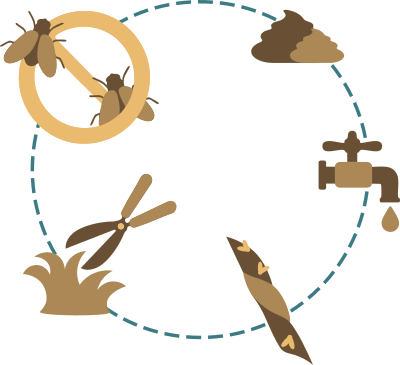
Remove manure often, reduce standing water, and keep the coop clean to cut down on flies and insects. Use fly strips, install screens on windows, and place insect traps where needed. Keep grass and weeds trimmed around the coop.
Why? Insects like flies, grasshoppers, and beetles can spread germs and parasites between birds. Earthworms can also carry roundworm eggs, which birds may swallow while foraging. Controlling insects and flies helps protect from disease.

When Birds Get Sick
Recognize Signs of Illness
Watch for changes in behavior, appetite, egg-laying, feed and water consumption, and droppings, and keep notes on what you observe.

Why? Early signs are easy to miss. Keeping notes helps you catch problems early and gives a vet or expert the information they need to treat your birds and stop disease from spreading.
Isolate Sick Birds
Move sick birds into a separate pen as soon as you notice signs of illness. Use a cage, crate, or small pen with its own feeder and waterer, away from your healthy flock.

Why? Isolating sick birds helps prevent the spread of illness to healthy flock members.
Handle Sick Birds Last
Always handle sick or isolated birds last. Use separate tools for sick birds, or clean and disinfect equipment after each use. Wash your hands, change or disinfect footwear, and change clothes before going back to healthy birds.

Why? Handling sick birds first or going back to healthy birds without cleaning up can spread germs that make your flock sick.
Dispose of Dead Birds Safely
Wear gloves, place carcasses in sealed bags, spray the outside of the bag with disinfectant, put in the trash, and wash hands after handling dead birds. Always follow local disposal rules.

Why? Dead birds can still carry and spread disease. Safe disposal keeps germs from reaching other birds, pets, or people.
Contact a Veterinarian if Needed
If your birds are sick or dying, consult a veterinarian or poultry health expert.

Why? Early professional help can be crucial in treating and containing diseases.