
Defend Your Coop Like a Castle
Whether your flock lives in a small coop in the city or a barn in a rural area, they are like royalty to you. Just like a castle protects its inhabitants, a strong biosecurity plan protects your flock from unseen enemies, such as viruses, bacteria, and parasites.
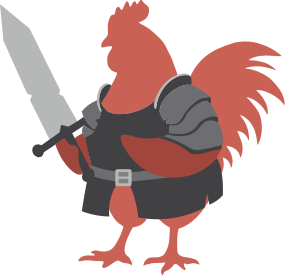
Think of your flock’s area as a Castle with a Moat and a Drawbridge.

The Moat is the outer boundary that separates your flock’s area from the outside world (i.e. a fence line or property gate). It is your first line of defense against germs.

The Drawbridge represents every entry point where people, animals, tools, or supplies can cross into your flock’s space. Each crossing is a chance for germs to get in, so it must be carefully managed.

The Castle is your flock and their coop. It’s the safe home you maintain for them, including the coop interior, nest boxes, roosts, feeders, and waterers.
Step 1: Create Your Moat
The Moat = An Outside Protective Boundary
- Set clear boundaries: Fences, gates, or markers should clearly show where animal use areas start
- Create clean and dirty sides: Use a mat, shoe-change station, or handwash station before crossing into the flock area
- Block wildlife: Place netting or hardware cloth to keep out wild birds, rodents, and raccoons
- Manage standing water: Prevent puddles that attract ducks, geese, or other pests
Step 2: Control the Drawbridge
The Drawbridge = Entry Points
- Dedicated footwear: Change into coop-only shoes or boots
- Change or cover clothing: Wear clean clothes or coveralls just for poultry chores and wash after use
- Wash hands before entry: Keep germs from spreading to or between your birds
- Limit visitors: More people means more risk. If visitors enter bird areas, require them to wear clean clothing and boot covers
- Control equipment: Don’t bring borrowed tools into your flock’s area
- Keep out other animals: Pets and livestock can carry germs on their fur, feet, or manure
Step 3: Guard the Castle
The Castle = Your Flock and Coop
- Dedicated tools: Feeders, waterers, and buckets that stay with your flock
- Clean and disinfect regularly: Coop, feeders, and waterers
- Store feed securely: Use sealed bins to keep pests out
- Manage traffic inside: Keep poultry areas separate from trash, manure piles, or storage areas.
- Avoid mixing species: Keep chickens, ducks, turkeys, and other birds housed separately
- Check your flock daily: Look for signs of illness early
- Isolate new or sick birds: Keep separate for at least 3–4 weeks
Resources
Biosecurity checklists for Colorado, New Mexico, Wyoming, and Navajo Nation, plus related resources.