Prevention and Treatment
Prevention is always safer and easier than trying to manage an outbreak. Acting early, reporting unusual deaths, and practicing good biosecurity keep your birds healthy.

Disease management guidelines to keep your flock healthy



Prevent
Biosecurity and disease prevention will help you maintain a healthy flock and avoid illnesses that are difficult to treat.
- Start with healthy birds — Buy from trusted, reliable sources. Avoid swaps, auctions, or unregulated sales.
- Limit disease entry — Biosecurity practices like keeping species separate, controlling visitors, and cleaning equipment are your first defense.
- Strengthen natural defenses — Good housing, clean water, balanced feed, and low stress improve flock health.

Treat
Not all poultry diseases can be cured. Some diseases may respond to supportive care, but birds can remain lifelong carriers and continue to spread the disease. If your birds are sick, start with the following recommendations.
- Veterinary care — A poultry veterinarian can test, diagnose, and recommend options for your situation.
- Supportive care — Clean water, proper feed, warmth, and reduced stress.
- Tough choices — Some diseases create lifelong carriers or spread quickly. In some cases, euthanasia of affected birds is the only way to protect the rest of the flock.

Monitor and Report
A reportable disease is one that spreads quickly, causes severe illness, and threatens other flocks, species, and possibly humans. High morbidity and mortality events should be reported to your state animal health official.
Highly Pathogenic Avian Influenza (HPAI) and Newcastle Disease (ND) are examples of reportable diseases.
Why Report
- Quick testing and guidance
- Protects nearby flocks, humans, and wildlife
- Helps animal health officials find outbreaks early
When to Report
- Several birds die over a short time
- Many birds become sick at once
- Severe signs such as breathing trouble, swelling of the head or eyes, or unusual neurologic signs
Each state has a reportable disease list, links to the reportable disease list for each state in the WSFC are available below.

Respond
Step 1: Isolate Immediately
Move the sick bird to a separate pen away from the flock. Use gloves when handling. Wash hands, boots, and clothes after contact.
Step 2: Contact a Veterinarian
A veterinarian experienced with poultry can confirm what is wrong and recommend care. Be ready to describe symptoms clearly: drooping wings, ruffled feathers, breathing issues, diarrhea, lack of appetite, or sudden death. Taking photos or videos can help you explain the situation to your veterinarian.
Step 3: Monitor the Rest of the Flock
Watch your birds closely every day. Isolate any new sick birds right away. Early detection gives you the best chance to stop disease from spreading.
Step 4: Clean and Disinfect Thoroughly
Wash and disinfect any feeders, waterers, or tools exposed to the sick bird. Remove and safely dispose of soiled bedding.
Step 5: Manage Recovery Carefully
Keep recovering birds separate for at least three weeks after symptoms end. Some diseases create carriers, carriers are birds that look healthy but can still spread germs. In some cases, removal of carriers may be necessary.
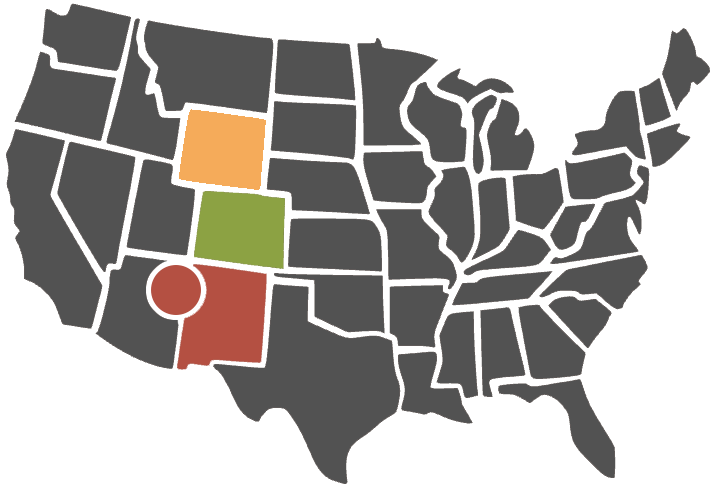
Live in Colorado, Navajo Nation, New Mexico, or Wyoming?