Coop Basics
Whether you’re building your first coop or improving an existing one, this guide walks you through every step.
Building a Healthy Flock
Follow these steps to plan, build, manage, and maintain a coop that keeps your birds safe, healthy, and productive. Jump to any step as you need it or follow the full journey from the beginning.




Plan Your Coop
Start with a coop plan that fits your birds, space, and long-term goals. Plan for flock size, environment, and future changes.
Flock Size
Use these general spacing minimums by species to help you plan effectively.

Chickens
2 to 4 sq ft inside, 8 to 10 sq ft outside per bird

Turkeys
6 to 10 sq ft inside, 15+ sq ft outside per bird

Ducks
4 to 6 sq ft inside, 10 to 15 sq ft outside per bird

Plan your flock size
Build for your future flock, not just your starter flock.
 Tip: Heavy and heritage breeds often need extra space to stay healthy.
Coop Setup
There is no one way to design a coop, it can be simple or elaborate. What matters most is that it supports daily care, keeps birds comfortable, and protects their health and safety.
 Build on high, dry ground and avoid low spots where rain collects, or snow piles up.
 Good soil drainage helps prevent wet litter, dirty eggs, and disease.
 Raise the coop slightly to help drainage and deter rodents. Poor drainage and waste buildup can lead to odors, flies, and rodent problems.
 Design for easy cleaning, egg collection, and access to birds.
 Cement floors and washable walls are ideal for disinfecting; dirt floors are harder to sanitize.
 Coops can be fully enclosed or include an outdoor run. Limit contact with wild birds and predators.
Build a Safe, Healthy Coop
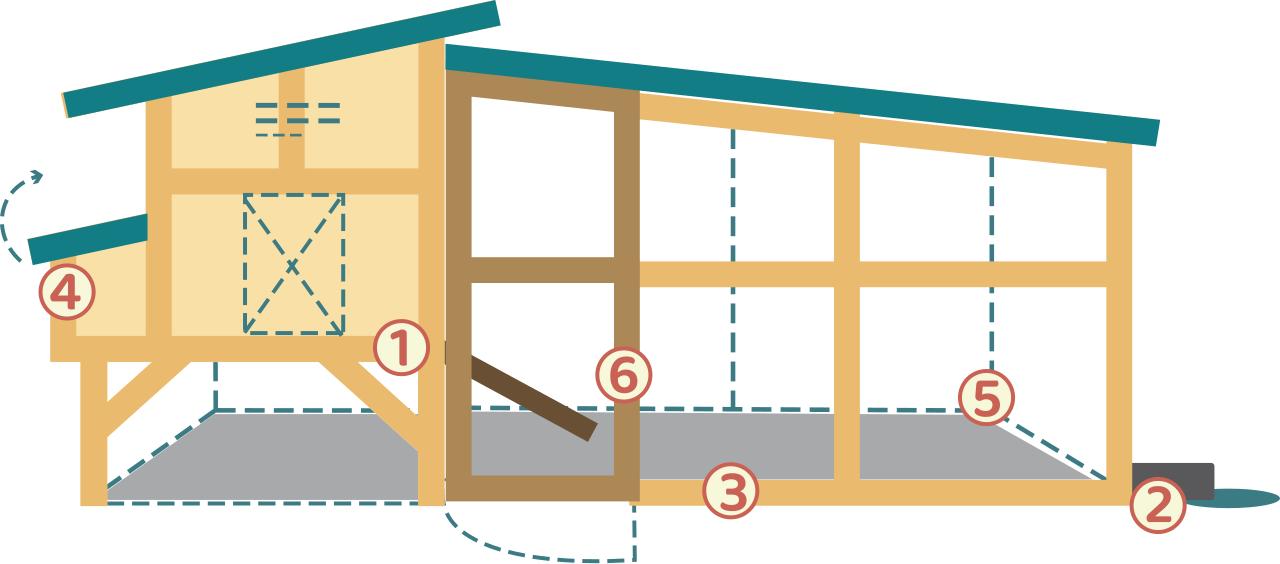
Your coop design protects bird health, safety, and daily care. Build for good airflow, predator protection, and easy cleaning.
Easy Maintenance and Cleanability
Use materials and design features that make cleaning and maintenance quick and safe.
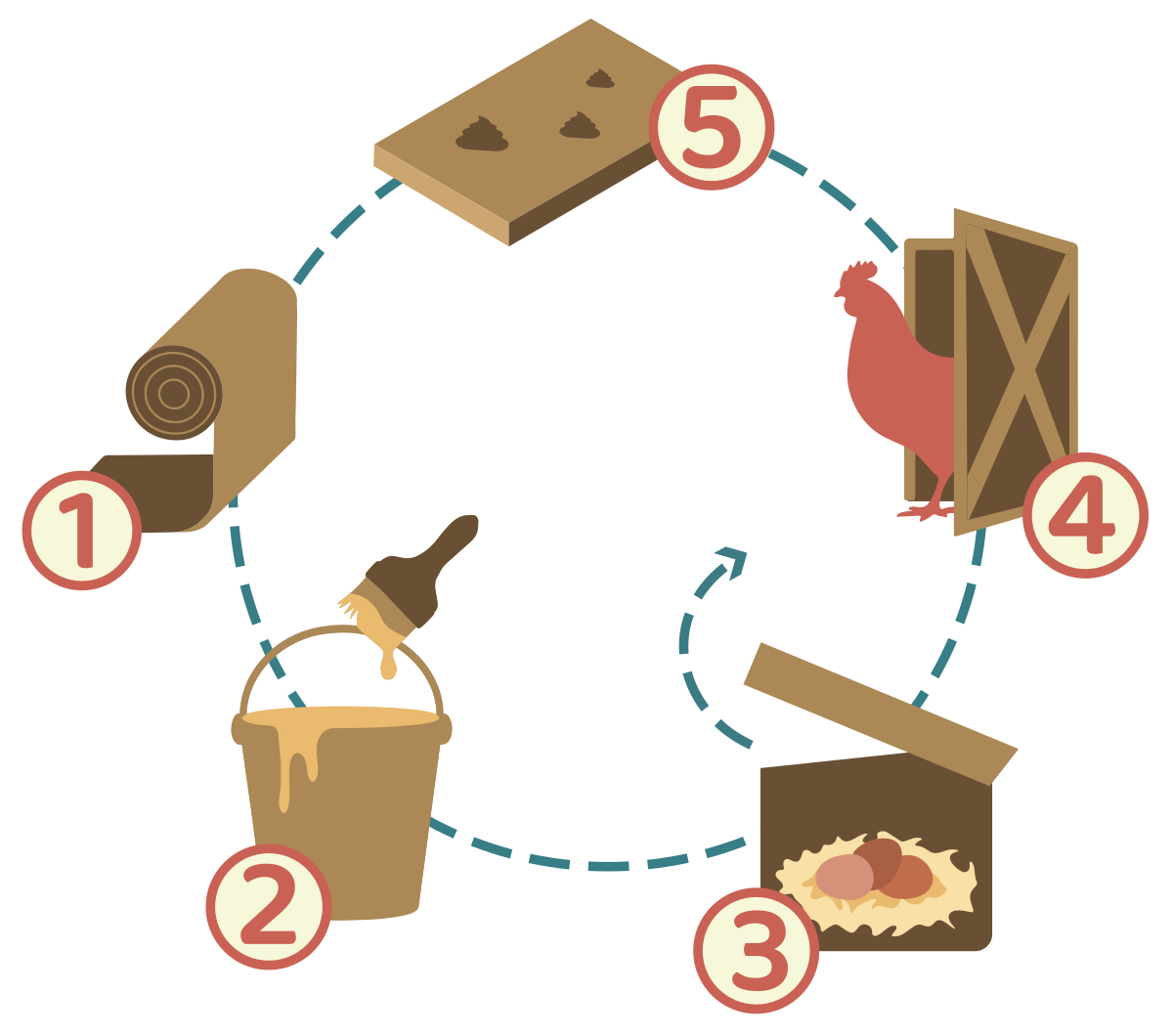
Choose non-porous flooring such as sealed concrete, vinyl, or painted wood.
Seal walls and floors with non-toxic paint to prevent moisture buildup and make surfaces easier to sanitize.
Add exterior access to nest boxes for egg collection.
Include a door that lets you reach feeders, roosts, and bedding without stepping inside.
Install dropping boards or trays under roosts to speed up daily cleanouts.
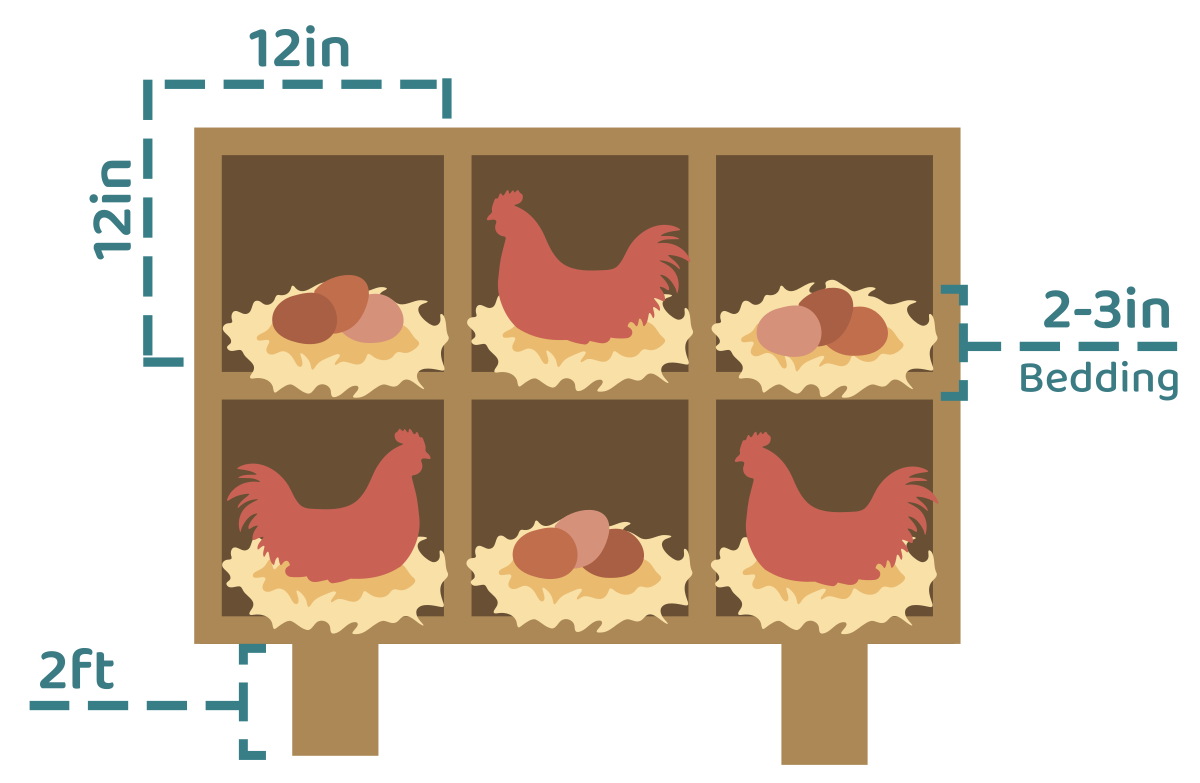
Nesting Boxes
Clean, well-placed boxes encourage laying and reduce crowding.
- One 12x12x12 inch box per 3–5 hens with 2–3 inches of bedding
- Mount boxes 1–2 feet off the floor and below the roosts
- Collect eggs daily to discourage broodiness, egg eating, and keep eggs clean
- Provide enough boxes to avoid floor-laying or competition
Tip: Use a 45 degree sloped lid on nesting boxes to prevent roosting on top.
Roosts
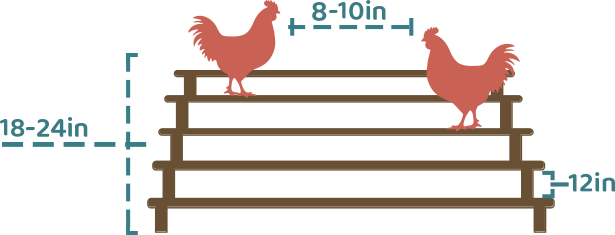
Provide enough space for birds to perch comfortably at night.
- 8-10 inches of perch space per bird
- 12 inches between roosts
- 18-24 inchest off the ground
- Use sturdy wood (round edges for comfort)
Tip: In colder climates, opt for wider, flat perches like the wide side of a 2×4 so birds can cover their toes with their feathers and avoid frostbite.
Tip: Keep roosts lower for heavy breeds to prevent injury.
Feed and Water Stations
Birds need access to clean, fresh feed and water every day to stay healthy.
Poultry Feeding and Watering Hygiene
Clean, safe feeding and watering help keep poultry healthy.
- Spread out feeders and waterers to reduce stress and prevent aggression against other birds.
- Keep feed clean and dry; store it in a cool, dry, rodent-proof container.
- Check for spoilage. Moldy or wet feed should be disposed of.
- Wash feeders and waterers regularly to remove dirt and bacterial film.
- Always provide fresh water, especially in hot or freezing weather.

Feeder and Waterer Spacing by Species
Chickens
Chickens come in a variety of sizes, so spacing per bird may vary.
- 3 to 4 inches of feeder space per bird
- 1 to 2 inches of waterer space per bird
Turkeys
Turkeys are larger and need more room to eat and drink without crowding.
- 6 to 8 inches feeder space per bird
- 2 to 3 inches waterer space per bird
Ducks and Geese
Waterfowl need open access to dip their bills, so use deeper water containers where possible.
- 4 to 6 inches feeder space per bird
- 2 to 3 inches waterer space per bird
Safety and Function
Focus on good ventilation, a secure structure from predators, and consider adding supplemental lighting.
Bedding Options
Choose a material that is absorbent, loose, easy to clean, and affordable. Pine shavings are one of the most used substrates for backyard flocks. Your management practices, such as how often you clean or how you control moisture, may vary depending on the material you choose. Avoid hardwood shavings, which can hold more moisture and may contain molds or fungi that can harm birds.
Tip: No matter the bedding, keep it dry and turn it regularly. Wet litter leads to ammonia buildup and health problems.
Tip: Avoid anything dusty or mold-prone. Change bedding regularly to keep the coop dry and clean.
| Material | Pro | Con |
|---|---|---|
| Wood Shavings | Absorbent, controls odor, easy to find | Dusty if too dry. Avoid cedar it can irritate lungs |
| Straw | Affordable, provides insulation | Can mat down and hold moisture; harder to clean |
| Sand | Drains well, easy to scoop, doesn’t break down | Heavy, cold in winter, more expensive |
| Newspaper | Readily available, low cost | Not very absorbent, slippery when wet |
| Corn Husks/Cobs | Often free on farms, compostable | Can mold if wet; not widely available |
| Rice Hulls | Lightweight, good absorbency, compostable | Can be dusty; may not be available in all regions |
| Hemp Bedding | Highly absorbent, low dust, pest-resistant | More expensive; limited availability |
| Peanut Shells | Absorbent, compostable, repurposes agricultural waste | May harbor mold if not kept dry; potential allergen for some individuals |
Lighting for Egg Production
Most chickens do well with natural daylight. The type and amount of light can affect behavior and egg production.
- Natural daylight is usually enough for normal activity
- If you can read a newspaper at arm’s length, the light is sufficient
- Hens need 14–16 hours of light per day to keep laying in winter
- Use a 40–60 watt bulb or 13–15 watt LED/CFL on a timer
Tip: Secure cords and fixtures to reduce fire risk.
Ventilation and Insulation
Good airflow keeps the coop dry, removes harmful gases, and brings in fresh air year-round. Without ventilation, moisture and ammonia can build up, even in cold weather.
- Provide at least 1 sq ft of vent space per 10 sq ft of floor area.
- Place vents above the birds and cover with ½-inch hardware cloth to keep predators out.
- In winter, vents should remove moist air without chilling the flock and adjust as needed.
- Since warm, humid air rises, venting from the top of the coop is most effective.
Tip: Winter brings a special challenge. When coops are sealed tightly to keep birds warm, moisture can build up. But if you open vents too much, you may lose heat. The goal is to strike a balance: remove moisture while maintaining a safe temperature.
Predator-Proofing
Protecting your flock starts with a secure coop and run. Predators are active day and night and can dig, climb, or fly in if there are gaps.
- Use ½-inch hardware cloth—not chicken wire—on all vents, windows, and openings.
- Bury fencing 8–12 inches deep or install a 12-inch horizontal apron to block digging predators.
- Lock coop doors securely every night and check latches regularly.
Tip: Cover runs with netting or wire if hawks, owls, or other flying predators are common.
Manage Your Flock
Daily care and routine checks are important for establishing and managing a healthy flock.

Fresh Water and Clean Feed
Always provide clean, fresh water for your flock. In cold weather, check waterers frequently to prevent freezing. In warm weather, watch for algae buildup. Clean both feeders and waterers at least once a week, or more often if they become dirty, to keep your birds healthy and hydrated.
Tip: Use heated waterers or swap fresh water multiple times daily in winter.

Ventilation Checks
Adjust coop vents with the seasons to maintain good airflow without creating drafts. Regularly check for signs of poor ventilation, like strong ammonia smells, damp bedding, or condensation, and address them promptly to keep the environment healthy.
Tip: If you smell ammonia, ventilation needs improvement.
Daily Egg Collection
Check nest boxes at least once daily to collect eggs. Remove dirty or broken eggs right away to avoid attracting pests. In hot or cold weather, collect eggs more frequently.
Tip: Frequent collection helps discourage egg-eating and broodiness.

Monitor Space and Comfort
Make sure your flock has plenty of space to move, roost, and nest comfortably. Keep an eye out for signs of crowding, such as feather pecking, aggression, or pacing, which can signal stress. Maintain clean, dry nesting and roosting areas to support a calm, healthy environment.

Cleaning Routine
Use absorbent bedding to help control moisture and ammonia levels in the coop. Spot clean daily by removing droppings and any wet bedding to keep the space clean and dry. Plan for a deeper clean each week by scraping surfaces and replacing old bedding to maintain a healthy environment for your flock.

Daily Predator Checks
Walk the perimeter daily. Lock coop doors securely every night to protect your flock from predators. Regularly inspect fences, runs, and overhead netting for any signs of damage or digging. Make repairs promptly to keep your birds safe.
Resources
Explore more detailed guides and fact sheets to support your flock care.