
Lice and Mites
Learn more about lice and mites, how they affect your flock, and how to prevent infestations
Quick Facts
They Harm Birds
- Lice and mites cause itching, feather loss, stress, anemia, weight loss, and sometimes death in birds.
They Spread Fast
- Lice live on birds, while mites can hide in the coop. Both reproduce rapidly. This makes them difficult to treat and reinfestation common.
Prevention is Easier
- Clean coops, check birds often, and provide dust baths to avoid infestations.
Extremely Small
- Check birds at the base of the feathers and around the vent area for evidence of infestation. For mites check nest boxes for moving specks.
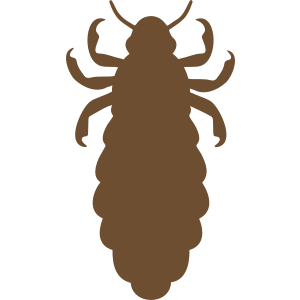
Lice Facts
Types of Lice
- Chicken Body Louse (Menacanthus stramineus) – Found mostly around the vent, breast, and thighs.
- Shaft Louse (Menapon gallinae) – Attaches to feather shafts, often on the breast and thighs.
- Head Louse (Cuclotogaster heterographus) – Found on the head and neck, especially in younger birds.
There are more than 40 species of lice reported on poultry, but these are the most common ones found in small flocks.
Behavior
- Poultry lice are chewing lice – they don’t suck blood directly. Instead, they feed on skin flakes, feather pieces, and scabs. Some can bite into pin feathers to take small amounts of blood.
- They spend their entire life cycle on the bird and usually die within a few days to a week if removed from the host.
- They prefer warm, protected areas such as around the vent, under the wings, or under the beard/crest feathers.
- Lice spread mainly through direct bird-to-bird contact, so infestations move quickly in flocks kept close together.
Life Cycle
- Adult lice glue their eggs (nits) to the base of feathers.
- Eggs hatch in 4–7 days.
- Young lice mature to adults in 10–15 days, and adults live about 3 weeks.
- A single female can lay 50–300 eggs during her life.
- Because eggs are resistant to insecticides, infestations often come back unless treatments are repeated.
Signs of Infestation
- Tiny tan or yellow insects crawling on skin and feathers.
- White clumps of eggs stuck to feather shafts, especially near the vent.
- Feather damage from chewing, leading to ragged or broken feathers.
- Restlessness and itching; birds may preen excessively.
- Drop in egg production in laying hens.
- Heavy infestations can be especially harmful to young birds, causing poor growth, sleep disruption, and reduced feed efficiency.
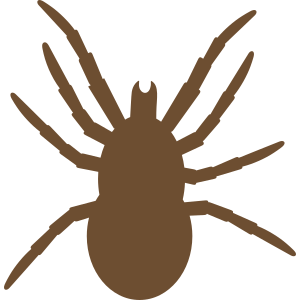
Mite Facts
Types of Mites
- Northern Fowl Mite (Ornithonyssus sylviarum) – One of the most common external parasites of chickens. Found year-round and spends its entire life on the bird.
- Red Mite (Dermanyssus gallinae) – Also called the chicken mite. Unlike northern fowl mites, red mites hide in cracks, litter, and roosts during the day and crawl onto birds to feed at night.
- Scaly Leg Mite (Knemidocoptes mutans) – Lives under the leg scales of chickens, turkeys, and gamebirds. Causes thickened, crusty buildup on shanks and toes.
Behavior
- Northern fowl mites stay on the bird full-time, especially around the vent, tail, and back. They suck blood and can cause severe irritation and anemia.
- Red mites feed at night, then hide in cracks, roosts, and nest boxes during the day. Infestations can build rapidly because they also survive off the bird.
- Scaly leg mites burrow under leg scales, damaging tissue and raising the scales, which may become crusty and deformed over time. Birds may become lame in heavy infestations.
Life Cycle
- Mites mature in 5–7 days, so populations can explode quickly.
- Northern fowl mites live and reproduce on the bird.
- Red mites reproduce in cracks and crevices and can survive off the host for up to 4 weeks. This makes them especially hard to eradicate.
- Scaly leg mites reproduce under the scales and spread slowly but steadily between birds in contact.
- Because of their short generation time, treatments often need to be repeated to break the cycle.
Signs of Infestation
- Tiny dark or red specks moving on the skin or feathers, especially around the vent (northern fowl mites).
- Pale combs and wattles, feather wear, or specks of dried blood on eggshells (northern or red mites).
- Restlessness, night scratching, or reluctance to roost (red mites feeding at night).
- Crusty, thickened, or raised leg scales and lameness in severe cases (scaly leg mites).
- In heavy infestations, birds may lose weight, stop laying, or even die from blood loss and stress.
How to Prevent Lice and Mites
Keep housing clean and dry
Regularly remove soiled bedding, droppings, and feathers where mites can hide.
Seal cracks and crevices
Red mites hide in wood joints and roosts; sealing or painting surfaces makes it harder for them to survive.
Limit contact with outside birds
Don’t let your flock mingle with wild birds or unknown poultry, as parasites spread through direct contact.
Check birds regularly
Inspect under wings, around the vent, and legs at least once a month. Early detection keeps infestations manageable.
Rotate or clean nest boxes and roosts
Mites often cluster in these areas; cleaning reduces hiding spots.

Treatment of Lice
Treat all birds at once
Even if only a few show signs, the whole flock may be infested.
Approved products
Use dusts, sprays, or pour-ons labeled for poultry. Follow label directions carefully.
Repeat treatments
Eggs (nits) glued to feathers survive the first round. Retreat in 7–10 days to kill newly hatched lice.
Focus on the bird
Since lice spend their life cycle on chickens, treatment is bird-centered. Environmental cleanup is less critical than with mites.

Treatment of Mites
Treat all birds and the coop
Mites live on birds and in the environment, so both must be treated.
Northern fowl mites
Apply approved poultry products directly to birds, especially around the vent and under wings.
Red mites
Clean, disinfect, and treat cracks, perches, nest boxes, and bedding. These mites hide during the day and return to feed at night.
Scaly leg mites
Coat legs and feet with mineral oil, petroleum jelly, or approved treatments to smother mites and loosen crusty scales. Repeat weekly until scales heal.
Repeat treatments
Because mites reproduce quickly and survive off-host, treatments often need repeating every 7–10 days.
Support bird health
Provide good nutrition and reduce stress to help recovery.
 Always use products that are labeled for use in poultry and follow the instructions on the label. Never use household chemicals, dog/cat flea products, or off-label treatments directly on birds, as they can be toxic or leave unsafe residues in eggs and meat.