
Introducing and Isolating Birds Safely
Whether you’re introducing new birds, bringing your own birds back home, or managing sick birds, follow these steps to keep your flock safe.

Guidelines for Introduction and Isolation of Birds

Purchase Birds from Trusted Sources
Avoid swaps, auctions, or farms with poor biosecurity.
Buy from NPIP-certified hatcheries or farms.
Look for healthy birds (clear eyes, good feathers, normal droppings).
Why?
Even healthy-looking birds can carry hidden diseases. Sourcing carefully reduces disease risk to your flock.

Isolate New and Sick Birds

House separately in a coop, pen, or large crate with their own feed and water.
Keep them separate for at least 3 weeks before mixing with your flock.
Isolation pens should not allow birds to touch through the fence. If birds can touch, they are not isolated.
Check birds daily for changes in appetite, droppings, behavior, or appearance.
Do not introduce birds showing signs of illness. Watch for coughing, sneezing, swelling around the eyes, runny droppings, or loss of appetite. Even if a bird seems to recover, these signs indicate illness and they may continue to carry the disease.
Why?
Many diseases take days or weeks to appear. Separation of birds gives you time to spot problems.

Keep Groups Separate

All-In, All-Out means raising a group of birds of the same age and type together from start to finish.
Avoid adding new birds into an existing group once it is established.
Avoid mixing birds of different ages, species, or sources.
Why?
Birds of different ages and sources bring different health risks. Mixing groups causes stress and makes it easier for disease to spread.

Care for Birds in the Right Order
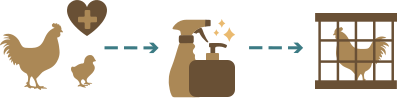
Handle youngest birds first, then healthy adults, then new or isolated birds, and sick birds last.
Wash your hands or use hand sanitizer before, between, and after caring for different groups.
Use separate equipment for each group. At a minimum, clean and disinfect tools between groups.
Keep a disinfectant footbath or boot covers at the entry of each area, or use dedicated boots for different groups.
Why?
These steps keep germs from passing between healthy birds and those that are sick or isolated.